- Author: Raymond
- Category: Insurance in Kenya
Why Smart Kenyans Are Insuring Their Cars and Cargo Before Trouble Starts
Insurance is one of those things many people remember only after something has already gone wrong.
A car has been hit.
Cargo has disappeared on the road.
A fresh import has been damaged before it even settles properly in the owner’s hands.
A business delivery has gone wrong.
Then suddenly, the question becomes: “Do I have the right cover?”
By that time, it may already be too late.
Whether you are driving a personal vehicle, importing a fresh unit, transporting goods for business, or moving cargo across borders, insurance is not just paperwork. It is financial protection. It is business continuity. It is peace of mind.
At Imana Insurance, we help individuals, families, importers, traders, transporters, and business owners choose practical insurance covers that match the real risks they face every day.
1. A New Month Should Begin With Better Protection
Every new month comes with plans, movements, deliveries, meetings, school runs, errands, road trips, and business activity.
But the road does not care about your plans.
You may be careful, disciplined, sober, and experienced, but you are not alone on the road. There are careless drivers, poor road conditions, theft risks, weather issues, mechanical failures, and unexpected accidents.
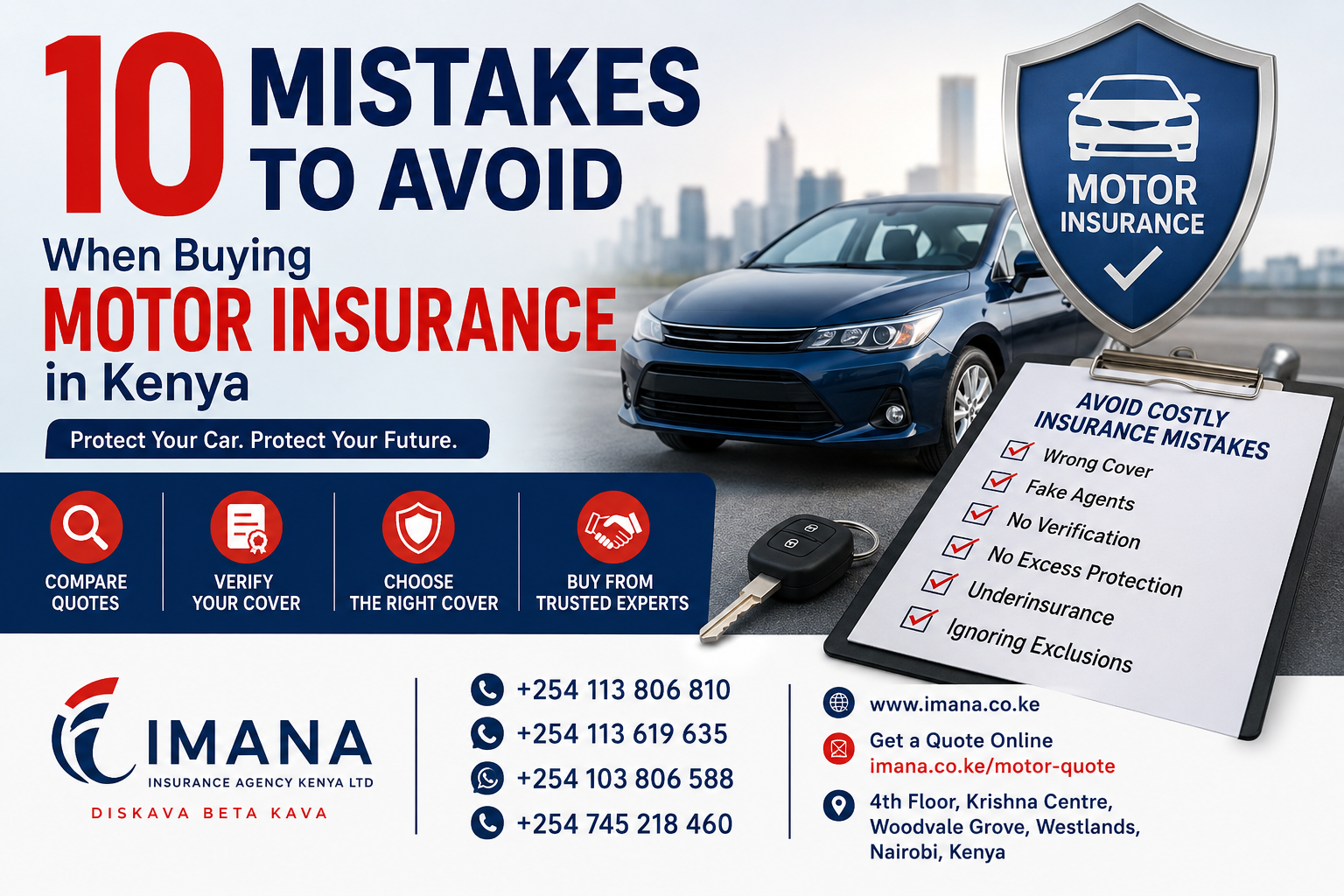
That is why Motor Insurance should never be treated like a last-minute requirement just to satisfy the law. It should be treated as a serious financial shield.
For car owners in Kenya, the most common motor insurance options are:
Third Party Only Insurance
This is the basic legal cover. It mainly protects you against claims from third parties in case you cause injury, death, or damage to another person’s property.
It is usually cheaper, but it does not cover damage to your own vehicle.
Comprehensive Motor Insurance
This gives wider protection. Depending on the insurer and policy terms, comprehensive cover may protect your car against accidental damage, theft, fire, third-party liabilities, and other covered risks.
For vehicles with higher value, especially fresh imports and family cars, comprehensive insurance is usually the smarter choice.
A worry-free month begins with knowing that your vehicle is properly covered.
2. Fresh Import Worth KSh 4M? Do Not Gamble With Third Party Only
Many people import vehicles, clear them, register them, and then start asking whether they should take comprehensive insurance or third party only.
Let’s be honest.
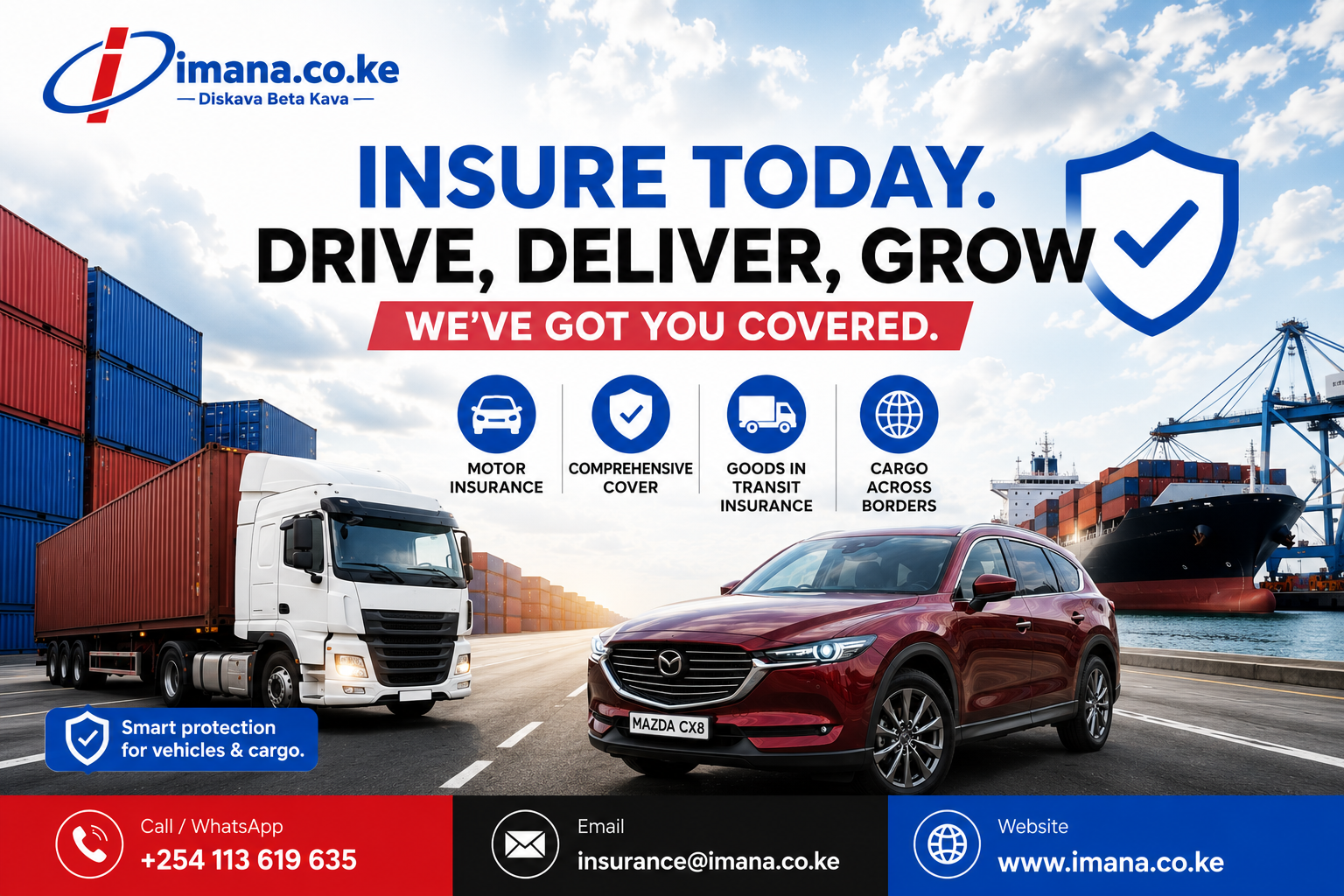
If you have a fresh import Mazda CX-8 worth KSh 4 million, choosing insurance should not be approached casually.
A vehicle worth that much is not just a car. It is capital. It is savings. It is sacrifice. It may be a family investment, business tool, or personal milestone.
Now imagine exposing such a vehicle to road risks with only third party cover.
That means if your own car is damaged in an accident, you may have to repair it from your pocket unless another party is legally liable and recovery is successful. For a high-value vehicle, even a minor accident can cost a serious amount of money.
Many people say:
“Mimi ni careful driver.”
That is good. But careful driving does not control everything.
You can be careful and still be hit by someone else.
You can park safely and still suffer theft or damage.
You can follow every rule and still meet a careless road user.
You can drive a clean imported vehicle and still face risks before the car even feels old.
For a fresh import, comprehensive motor insurance is not luxury. It is wisdom.
3. Goods in Transit Insurance: Protect Your Cargo Every Mile of the Way
Businesses move goods every day.
Stock moves from suppliers to shops.
Cargo moves from ports to warehouses.
Products move from warehouses to customers.
Goods move between towns, counties, and borders.
Every movement carries risk.
Your goods can be damaged in an accident.
They can be stolen while in transit.
They can be lost during movement.
They can be affected by transit-related incidents beyond your control.
That is where Goods in Transit Insurance comes in.
Goods in Transit Insurance helps protect goods while they are being transported from one location to another. This cover is useful for importers, exporters, wholesalers, retailers, manufacturers, distributors, logistics companies, and anyone whose business depends on movement of goods.
When cargo is uninsured, one bad trip can wipe out profit, delay client orders, damage customer trust, and affect cash flow.
A serious business does not only focus on selling goods. It also protects goods until they reach the intended destination.
4. Moving Cargo Across Borders? You Need More Than Hope
Cross-border trade is growing. Many Kenyan businesses import and move goods across different routes, ports, border points, warehouses, and markets.
But cross-border cargo movement comes with extra exposure.
There are longer distances, multiple handlers, border delays, unfamiliar routes, theft exposure, road accidents, weather risks, and documentation complications.
When moving cargo across borders, it is not enough to say:
“The driver is experienced.”
Experience matters, but insurance protects against the unexpected.
If you are moving imported goods, commercial stock, client cargo, machinery, electronics, household goods, or business supplies, you should ask one important question before the truck leaves:
Are these goods insured while in transit?
Goods in Transit Insurance gives business owners a practical way to reduce financial exposure while goods are moving. It is especially important for businesses that cannot afford to lose stock and start again from zero.
In business, speed is good. Delivery is important. But protection is what keeps the business alive when the journey goes wrong.
5. Insurance Is Not Just About Compliance — It Is About Survival
Many people still look at insurance as a document they buy because someone requires it.
NTSA requires motor insurance.
Clients may require certain covers.
Banks may ask for insurance.
Contracts may demand insurance.
Clearing and logistics processes may push businesses to think about cover.
But insurance should go beyond compliance.
The real question is not just:
“Do I have insurance?”
The better question is:
“Do I have the right insurance for the risk I am carrying?”
A small car used occasionally may not carry the same risk as a fresh import worth millions.
A personal vehicle does not carry the same exposure as a commercial truck.
A trader moving goods worth millions should not think the same way as someone sending a small parcel.
A business transporting cargo across borders should not operate on hope alone.
Insurance is not meant to stop bad things from happening. It is meant to help you recover when they happen.
That difference matters.
Who Needs These Covers?
You should consider Motor Insurance if you own, drive, import, finance, or manage vehicles in Kenya.
You should consider Comprehensive Motor Insurance if your car has significant value, is newly imported, financed, used daily, or expensive to repair.
You should consider Goods in Transit Insurance if you move goods locally, across counties, from port to warehouse, from supplier to customer, or across borders.
These covers are especially important for:
- Car owners with new or high-value vehicles
- Importers and exporters
- Logistics and transport businesses
- Wholesalers and distributors
- Retail businesses moving stock
- Manufacturers transporting goods
- SMEs supplying clients
- Individuals moving valuable cargo
What You May Need to Get Covered
Requirements may vary depending on the type of cover, insurer, vehicle, cargo type, and risk details. Generally, you may be asked for:
For Motor Insurance
- Vehicle registration number
- Logbook copy
- KRA PIN
- ID or passport copy
- Vehicle value for comprehensive cover
- Previous insurance details, where applicable
- Valuation report, where required
For Goods in Transit Insurance
- Type of goods being transported
- Value of goods
- Route or transit details
- Mode of transport
- Frequency of movement
- Business details
- Any relevant invoices, delivery notes, or shipping documents
The best approach is to share your details with an insurance advisor so you can be guided properly before buying the cover.
Imana Wisdom: Do Not Wait for a Loss to Respect Insurance
Insurance looks expensive until you face a loss alone.
That third party cover may look cheaper until your own car is damaged.
That uninsured cargo may look like a saving until goods disappear on the way.
That fresh import may feel safe until the unexpected happens.
That business delivery may look routine until one trip goes wrong.
The smarter move is simple:
Cover it before you move it.
Insure it before you drive it.
Protect it before it becomes a loss.
At Imana Insurance, we help you compare options, understand your cover, and choose insurance that makes practical sense for your vehicle, cargo, and business.
Talk to Imana Insurance Today
Need Motor Insurance or Goods in Transit Insurance?
Call/WhatsApp: +254 113 619 635 / +254 745 218 460
Email: insurance@imana.co.ke
Website: www.imana.co.ke
Office: 4th Floor, Krishna Centre, Woodvale Grove, Westlands, Nairobi
Imana Insurance — Diskava Beta Kava.
#DiskavaBetaKava #ImanaInsurance #MotorInsuranceKenya #ComprehensiveInsurance #GoodsInTransitInsurance #CargoInsurance #TransitInsurance #BusinessInsuranceKenya #CarInsuranceKenya